
Kids BJJ in Golden, CO
Where kids build confidence doing something real
Ages 4-13. Game-based classes. Safe, structured, and actually fun. Book a free trial class.
How We Teach Kids
The game is the lesson. Games are not a break from learning. They are how learning happens.
Most kids' martial arts classes follow the same structure: a warm-up, a technique demonstration, drilling, then sparring. Kids stand in line, watch a move, and repeat it. The problem is that this format doesn't match how children actually learn.
At GJJ, we build classes around games. Every game has a starting position, a constraint, and a goal. Your child isn't being entertained between lessons. The game is the lesson. Motor learning research consistently finds that skills built through play transfer better to real situations than skills built through isolated repetition.
The result: your child moves more, problem-solves more, and retains more. And they're having too much fun to notice they're working hard.
Games with a purpose
Every game is designed with a specific outcome. Coaches adjust the constraints in real time based on what each child needs. Nothing is random.
More doing, less watching
Kids learn by wrestling, not by watching someone else demonstrate. From their first class, they are playing, not observing.
Problems to solve, not steps to memorize
We give kids a clear starting position and a clear goal. How they get there is up to them. That problem-solving is the point.
Age-appropriate from the start
A four-year-old and a ten-year-old need completely different things. Our programs are built around developmental stages, not a single format applied to every age.
What You'll See vs. What's Happening
It might look like organized chaos. It isn't.
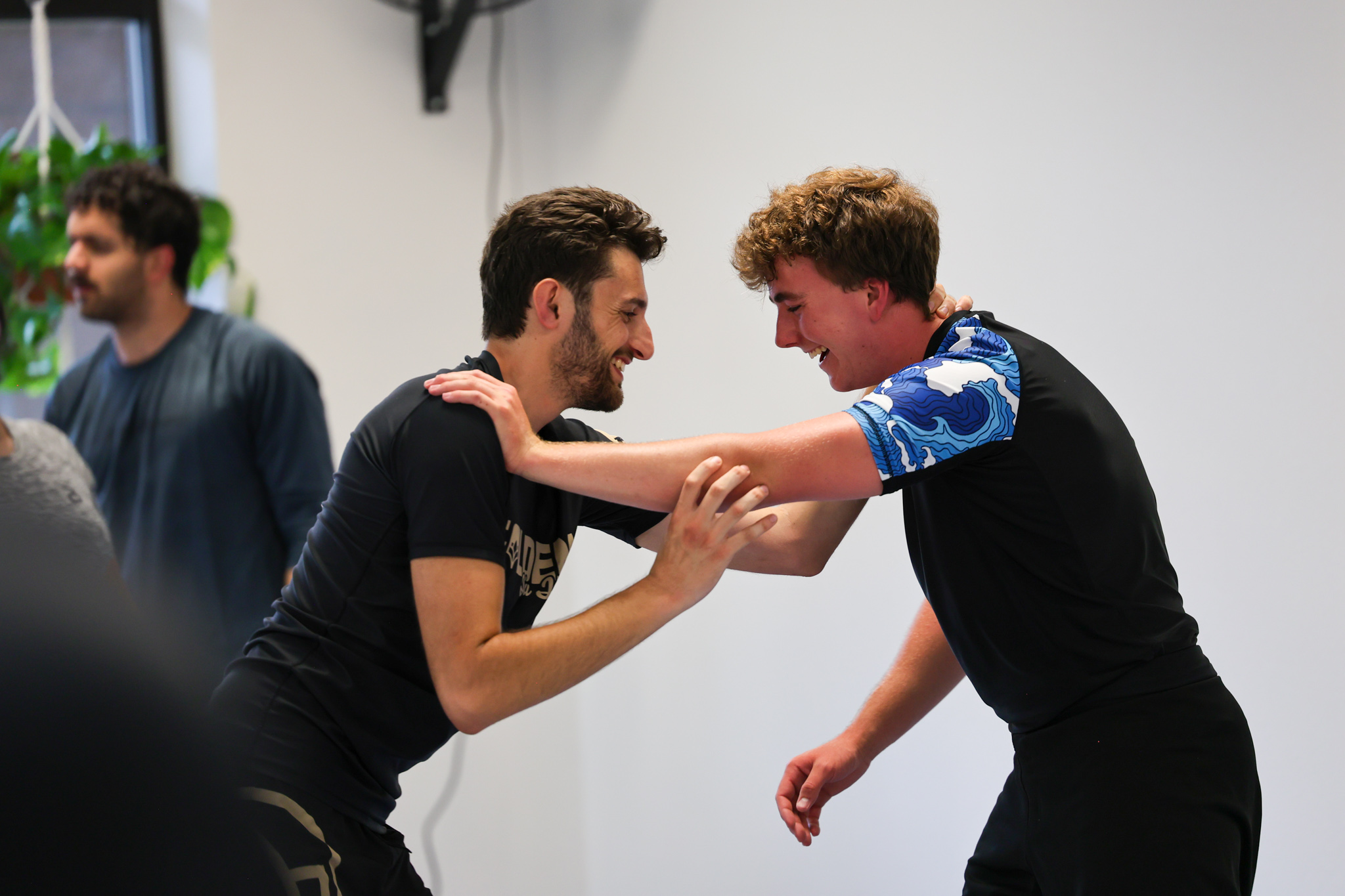
If you watch a kids class at GJJ, you will see a lot of laughing. Kids rolling around on the mats. Games with rules you don't fully understand. Someone getting pinned, then jumping up and doing it again. It does not look like a traditional martial arts class.
Here is what is actually happening underneath the fun.
You see: kids wrestling
What's happening: they are developing coordination, spatial awareness, and the ability to stay calm under physical pressure.
You see: your kid losing a game
What's happening: they are learning to handle frustration, reset, and try a different approach. That skill transfers everywhere.
You see: no lines, no commands
What's happening: children are spending more time actually moving and problem-solving than they would in a traditional class.
You see: a coach watching and adjusting
What's happening: the coach is reading the room, calibrating difficulty, and coaching individuals while the game runs.
Our Kids Coaches
Teaching kids is a different skill than teaching adults. We train for it specifically.
Being good at jiu jitsu does not make someone a good kids coach. Running an effective kids class requires a fundamentally different skill set: knowing how to hold the attention of a six-year-old, how to manage a room of 20 kids who are all at different developmental stages, how to build trust with a child who doesn't want to be there today, and how to make losing feel like part of the game instead of a reason to quit.
Our kids coaches are trained in age-appropriate instruction and youth development. They understand that a five-year-old and a ten-year-old are not just different sizes. They are in different developmental stages that require completely different approaches.
The goal is not to produce young competitors. It's to give your child a positive physical experience that builds real confidence, real coordination, and a love of being active.
Trained for kids, not just available for kids
Our coaches go through specific training in youth instruction before they run a class independently. Technical skill is only part of the job.
Age-appropriate at every stage
Little Lions classes look different from Golden Tigers classes because four-year-olds and ten-year-olds are at completely different developmental stages. Both programs are designed accordingly.
They know every kid by name
A good kids coach knows which child needs a push, which one needs a break, and which one is having a rough day before class even starts.
What Parents Are Really Paying For
Parents want confidence and discipline. Kids want fun. A well-designed program delivers both.
Confidence that comes from something real
Not from a participation trophy. From being pinned, figuring out how to move, and eventually getting out. That kind of confidence carries into classrooms, friendships, and hard moments at home.
Productive struggle
Your kid will lose games. They will get pinned. They will have to use their brain to get out. That process, repeated over time, is how children develop resilience. We don't protect kids from difficulty. We teach them to handle it.
A safe place to fail
When kids know failure is expected and respected, they take risks. When they take risks, they grow faster. Our coaches build that culture deliberately from the first class.
Social skills through real contact
Jiu jitsu builds trust and friendship fast because you are physically problem-solving with a partner. Kids learn to cooperate, to communicate, and to be a good training partner.
They want to go back
The most common thing parents tell us: their kid is asking to come to class. That is not an accident. A well-designed program is genuinely fun. Kids who love moving keep moving.
Physical literacy that transfers
Coordination, balance, spatial awareness, body control. The physical foundation your child builds here carries into every sport, every activity, and every stage of physical development.
What Your Kid Will Actually Do
No lines, no commands, no standing still.
Your child won't stand in a line and repeat techniques on command. They'll play. Our classes are built around games: movement challenges, scrambles, and grappling activities designed to develop coordination, problem-solving, and body awareness.
A coach leads the room, adjusts difficulty in real time, and keeps things safe. From the outside it might look like organized chaos. From the inside, every game has a purpose.
Structured play
Every game has clear goals and win conditions. Kids are solving real problems, not just running around.
Movement and coordination
Classes build physical literacy: balance, spatial awareness, and body control.
Real partners, real feedback
Kids learn by doing, with a partner who is actually trying. Play teaches what drills can't.
Age-appropriate challenges
Coaches adjust game difficulty in real time. Nobody gets overwhelmed or bored.
Our Programs
We have two youth programs, designed for different developmental stages. Both use the same game-based approach, and both prioritize fun and safety above everything else.
Little Lions trains no-gi (no uniform needed). Golden Tigers trains mostly no-gi, with one gi class each week. Loaner gis are included for every kid's first two gi classes, so there's nothing to buy up front. New students are welcome at the gi class, but we usually recommend starting with a no-gi class. Without the gi there are no belts on display, and a lot of kids find it easier to jump in when nobody is wearing a rank.
Little Lions (Ages 4-7)
Focused on physical literacy, social skills, and falling in love with movement. Grappling is the context, but the real work is developmental. Expect games, tumbling, and lots of laughing.
Golden Tigers (Ages 7-13)
More structure, more complex games, and the introduction of real grappling concepts like balance, leverage, and positional awareness. The emphasis on fun, play, and character development doesn't change. The format grows with them.
How We're Different
Our coaching approach is rooted in motor learning research and how kids actually develop skills: through play, exploration, and real problems to solve. Not rote drilling. Not belts as the finish line. Not a "tough love" environment where someone yells at your seven-year-old.
We study how kids learn. Our classes use a game-based method backed by decades of research showing that children develop better coordination, creativity, and decision-making when they learn through play rather than isolated repetitions.
Not a belt factory
Progress here is measured by effort, attitude, emotional growth, and whether your kid is a good training partner. Not by how many techniques they can name.
Not a daycare with mats
Every class is intentionally designed, coached with purpose, and built around your child's long-term development.
Research-backed approach
Motor learning research consistently finds that skills developed through play transfer better to real situations than skills learned through repetitive drilling.
Safety and Culture
Your child can stop any activity at any time. Tapping out is taught from day one as a normal, respected part of the game. It's not losing. It's what makes safe training possible.
Intensity is always age-appropriate. Coaches are trained to manage the room, adjust the games, and keep every child safe. The culture is explicitly playful. We want kids who love the game whether they win or lose.
When kids feel safe to fail, they take risks. When they take risks, they learn faster. That sense of belonging doesn't happen by accident. We build it into every class, every interaction, every day.
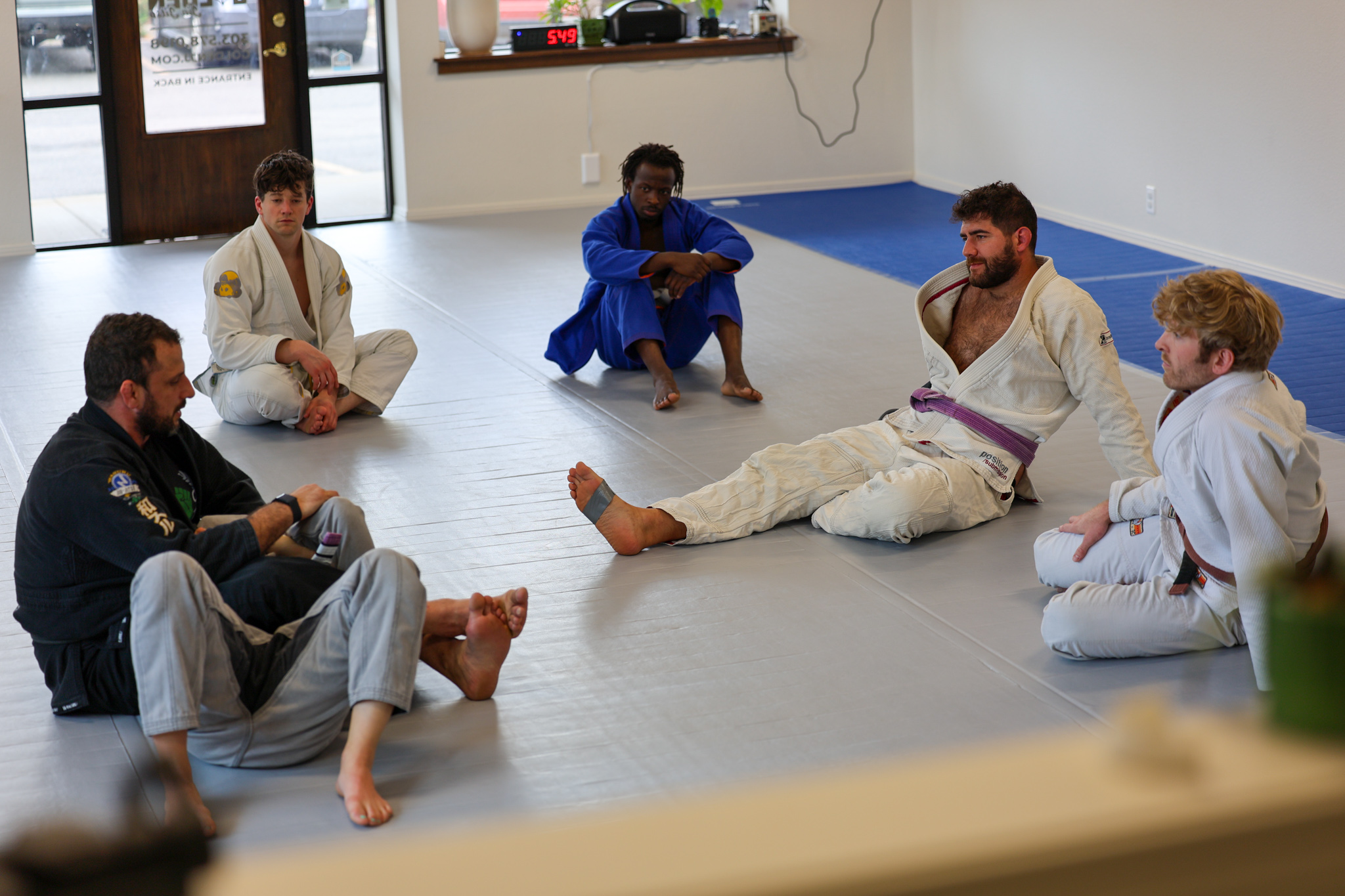
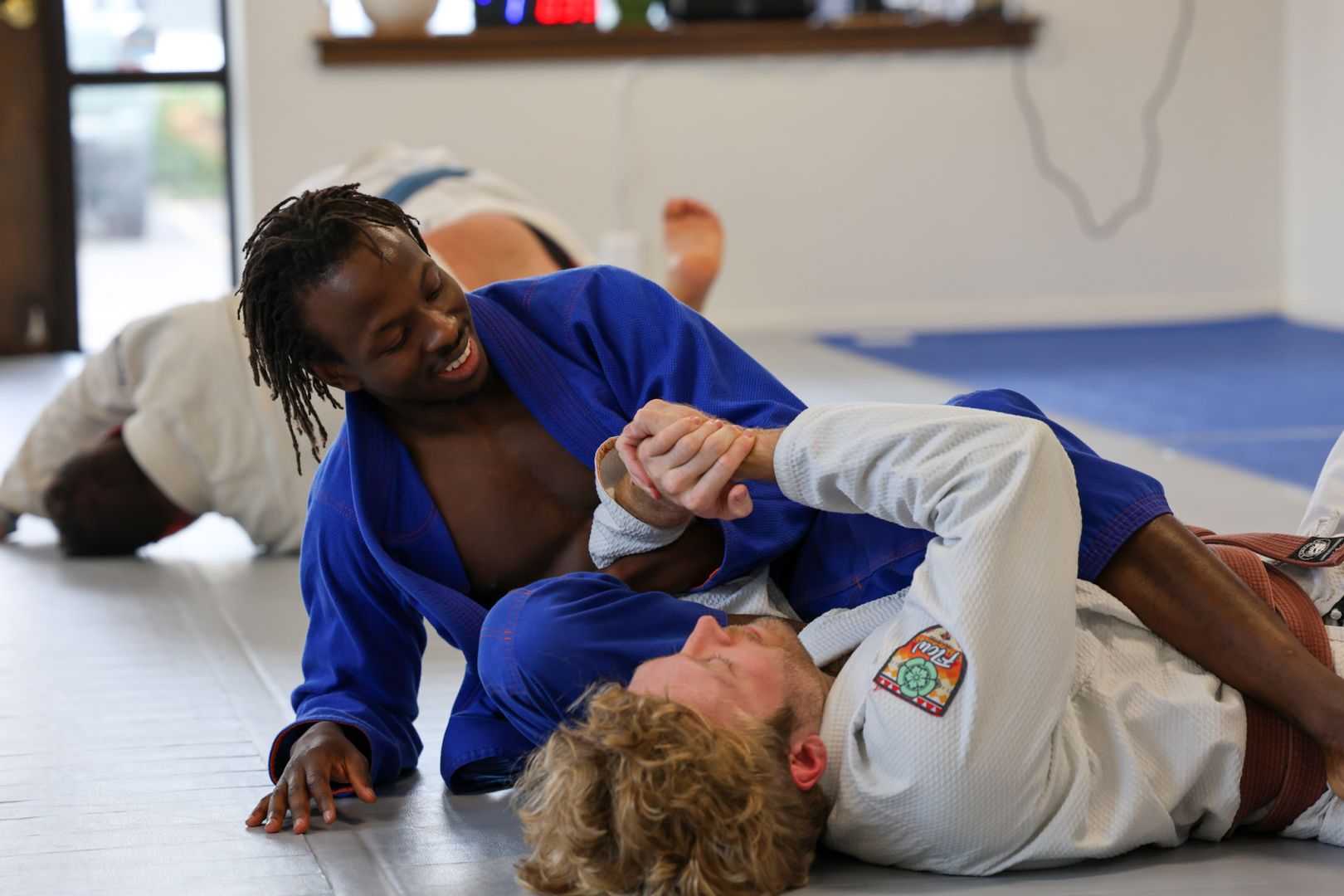
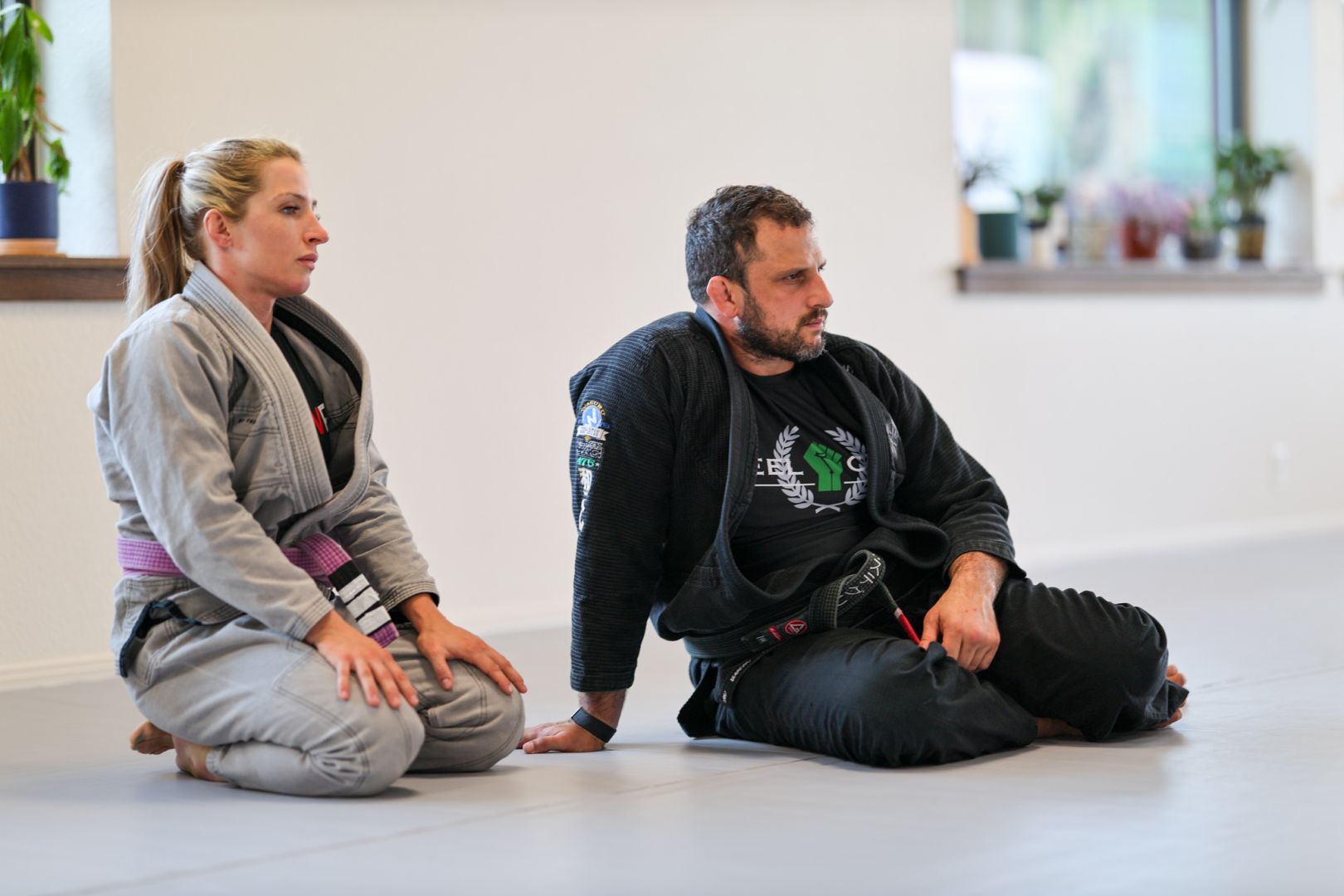
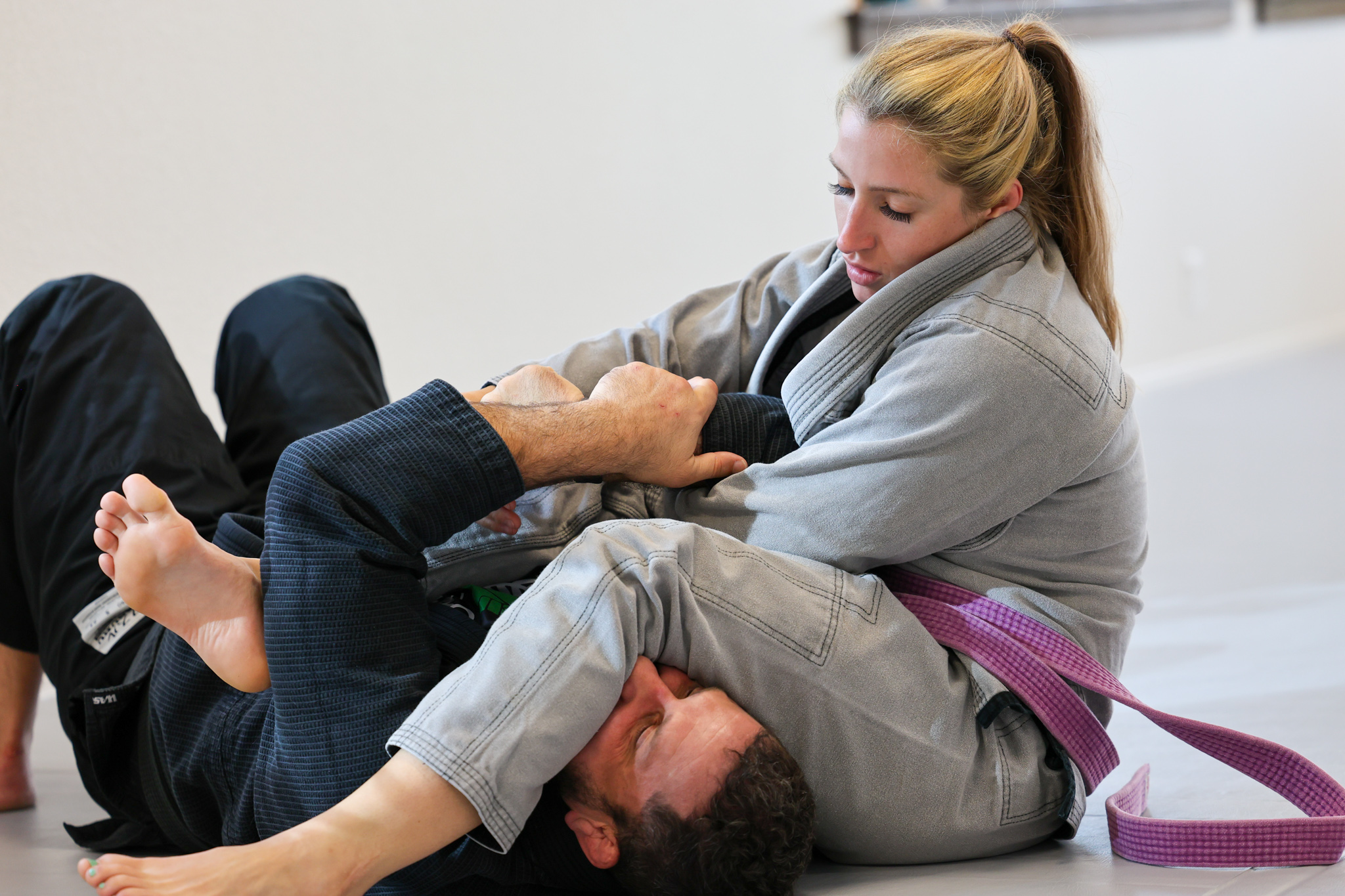
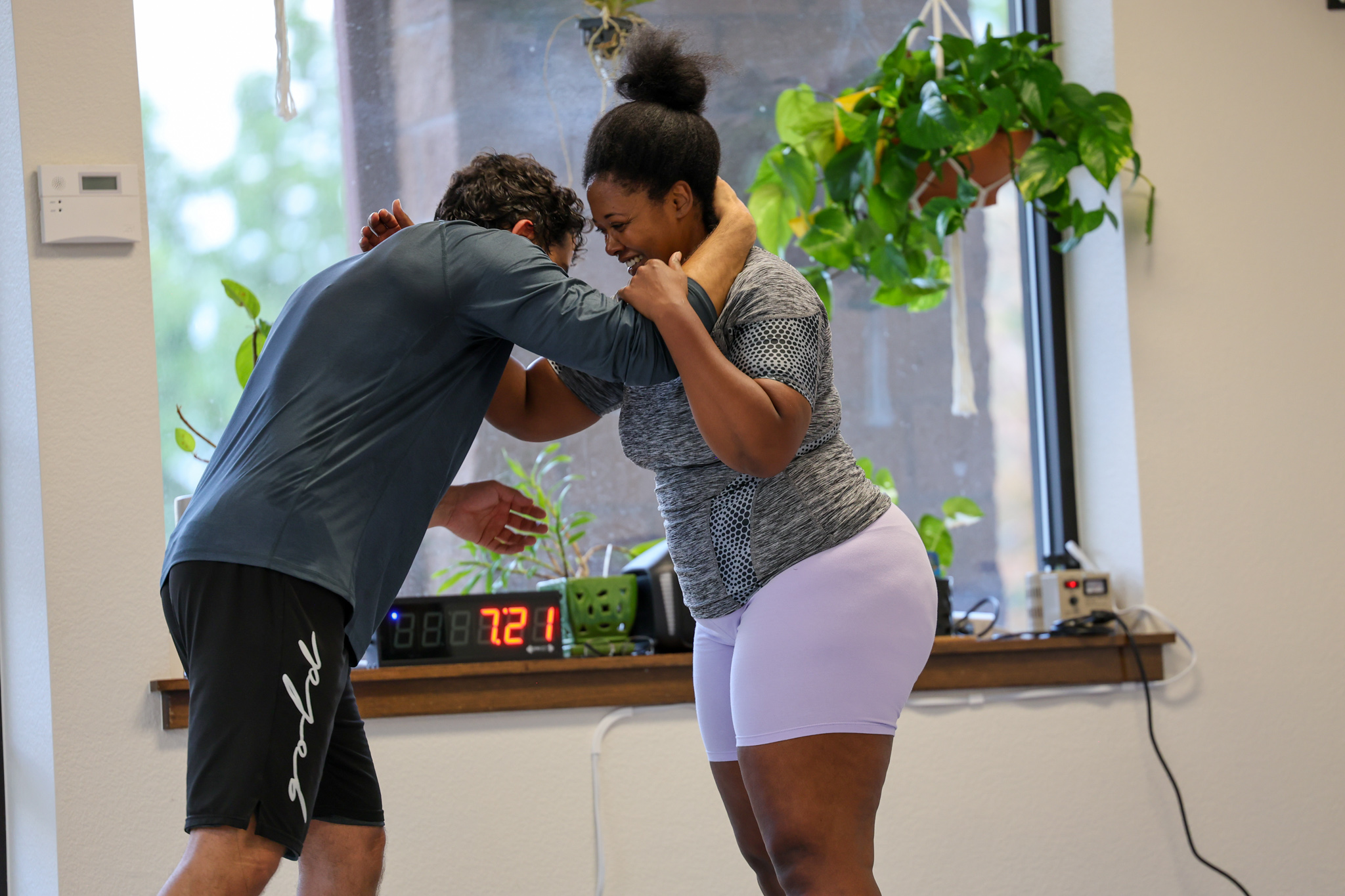
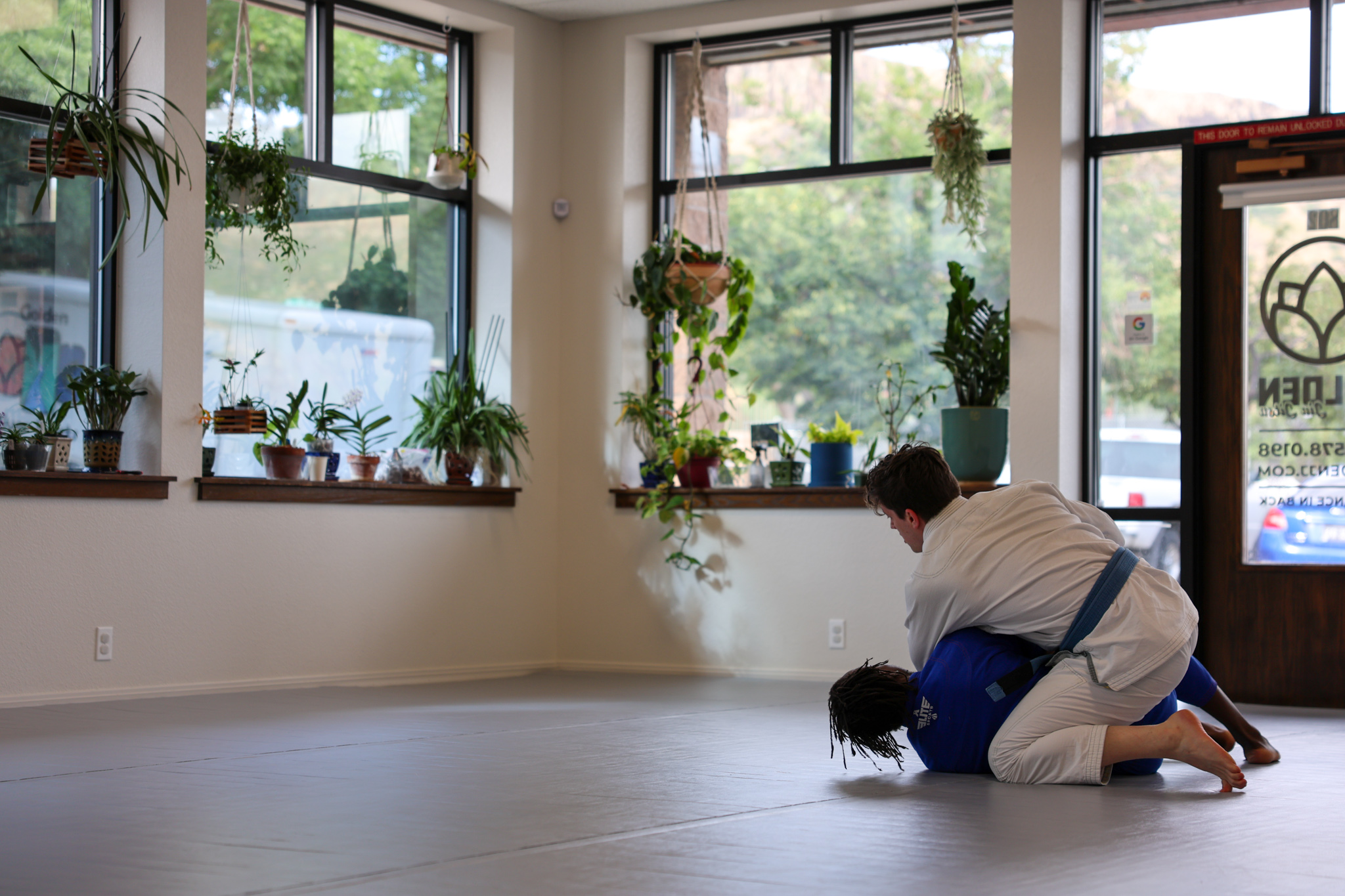
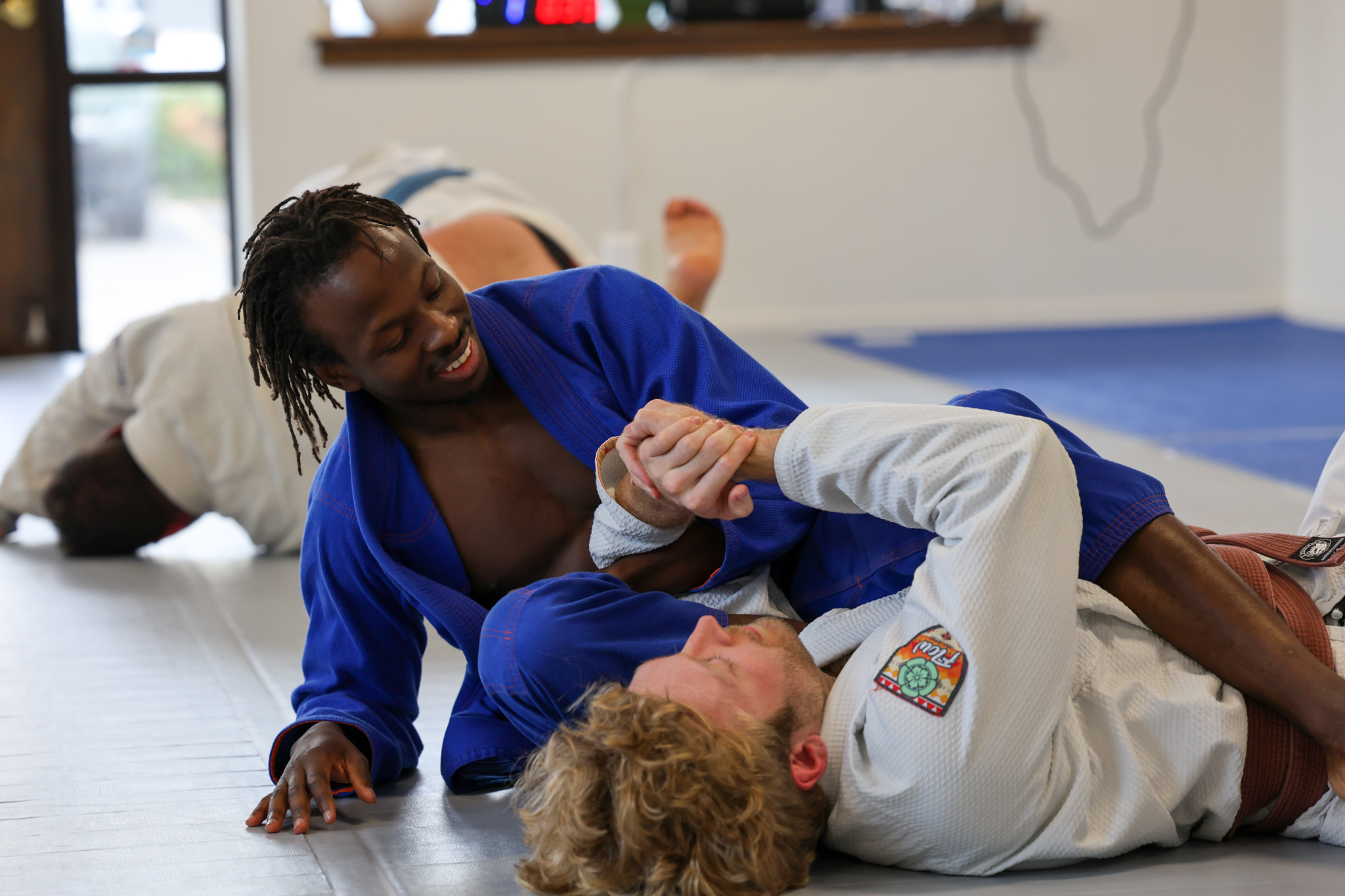
One more thing you might notice: the photos on this page show our adult classes. We don't photograph children during training. That's a deliberate privacy decision, and it protects every kid who walks through our door. Want to see a kids class? Come watch one from the lobby anytime.
Already booked your child's free class? Here's what to expect.
Kids can stop any time
Any child can stop any activity at any time. No child is pressured to continue when they don't want to.
Tapping is taught from day one
Tapping is the safety signal that ends any activity. Kids learn it their first class and use it without hesitation.
Coaches manage the room
Coaches watch intensity in real time and adjust games to keep every child in a safe, productive challenge zone.
Hear it from a parent
A GJJ dad on what jiu jitsu did for his kids.
See if it's right for your kid
Their first class is free. No experience needed.
Questions Parents Ask
What if my kid cries or wants to stop?
That's okay. Coaches handle it. Your kid can sit out, watch, or try again when they're ready. Nobody is forced to participate. Most kids who are hesitant on day one are rolling by week two.
What do they wear?
Athletic shorts (no pockets, zippers, or buttons) and a fitted t-shirt or rash guard. We have loaner gear if they don't have the right clothes yet.
Can I watch?
Yes. Parents are welcome to watch from the lobby area. We ask that you let the coaches run the class without coaching from the sideline, but you're always welcome to stay and see what they're doing.
How much does it cost?
Check our rates page for current pricing. We offer month-to-month and commitment options, plus family discounts. Your first class is always free.
Will jiu jitsu make my kid aggressive?
The opposite. Grappling teaches control, not violence. Kids learn to manage intensity, respect their partner's boundaries, and stop the moment someone taps. The most common feedback we hear from parents is that their child handles frustration better, not worse. They learn how to protect themselves without hurting anyone.
What Our Community Says
Real reviews from Google, where we hold a 5.0 rating across 90+ reviews.
" Golden Jiu Jitsu has truly been the best. The coaching here is truly exceptional, thoughtful, clear, and grounded in both skill and patience. What impressed me just as much as the technical instruction was the quality of the community. "
Ella Y.
Google review
" The students here have a great sense of camaraderie, supporting each other while pushing the pace. If you're looking for a place with great energy and a welcoming, chill environment, this school is definitely worth visiting. "
Sherry N.
Google review
See If It's Right for Your Kid
Your first class is free. Gear is provided if you need it. Just show up.